zum Inhalt springen

24.09.2025

Paper Publication - Non-ohmic to ohmic crossover in the breakdown of the quantum Hall states in graphene under broadband excitations


Abstract

Graphene, through the coexistence of large cyclotron gaps and small spin and valley gaps, offers the possibility to study the breakdown of the quantum Hall effect across a wide range of energy scales. In this work, we investigate the breakdown of the QHE in high-mobility graphene Corbino devices under broadband excitation ranging from DC up to 10 GHz. We find that the conductance is consistently described by variable range hopping (VRH) and extract the hopping energies from both temperature and field-driven measurements. Using VRH thermometry, we are able to distinguish between a cold and hot electron regime, which are dominated by non-ohmic VRH and Joule heating, respectively. Our results demonstrate that breakdown in the quantum Hall regime of graphene is governed by a crossover from non-ohmic, field-driven VRH to ohmic, Joule-heating-dominated transport.

DOI: 

https://doi.org/10.48550/arXiv.2509.19978


05.08.2025

Group Outing Summer '25


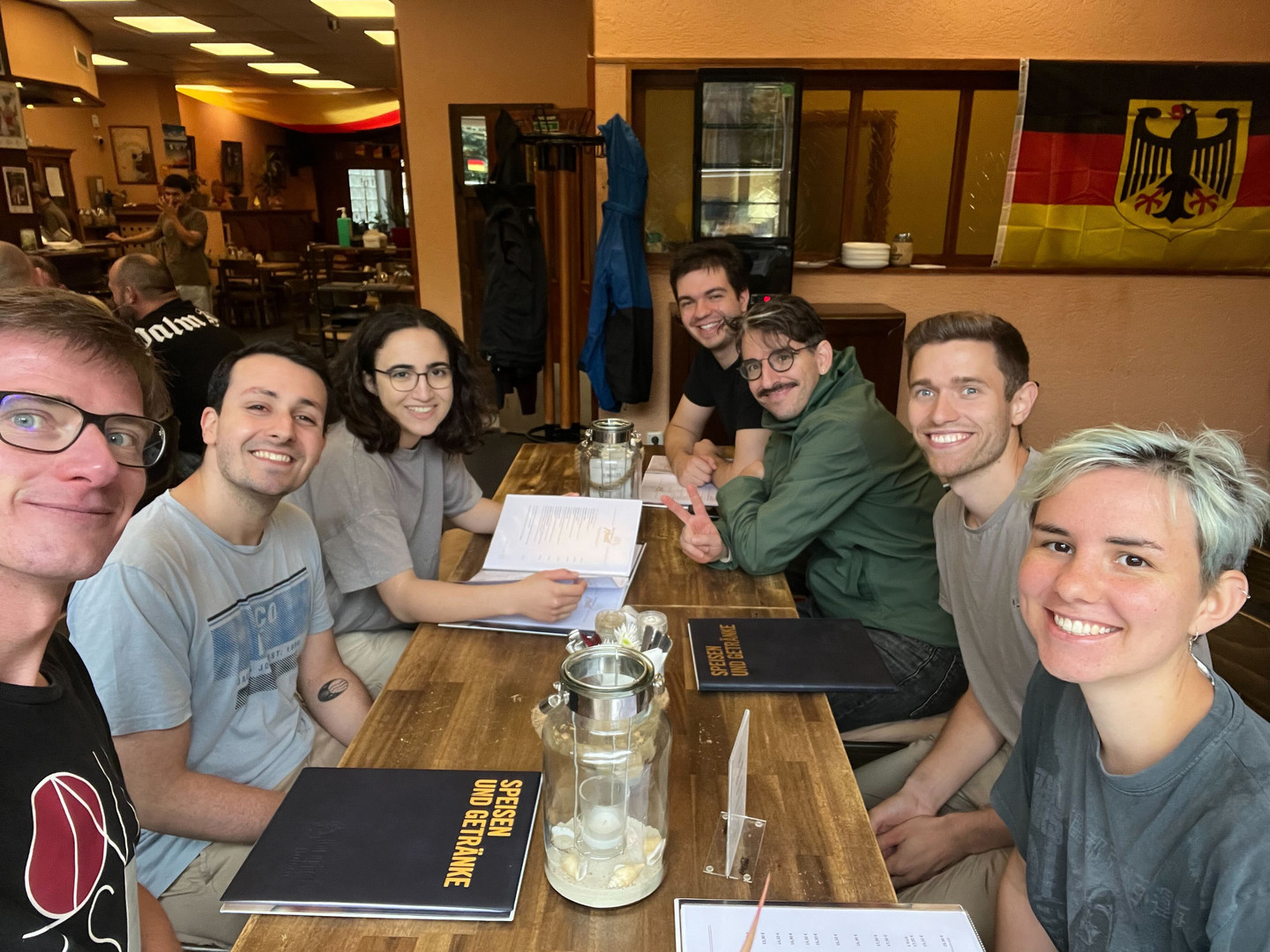
Tuesday August 5th the group has been playing adventure golf at “Die Rheinpiraten” in Bonn for team-building activities. Split in two groups, each group had their own go on the lovely mini-golf courses. We were blessed with good weather and a healthy competition. After the adventure golf, the group had lunch at an italian restaurant in the heart of Bonn.

At the moment of the group outing the group consisted of Prof. Dr. Erwann Bocquillon, Dr. Melanie Ruelle, Dr. Daniel Rosenbach, PhD students Alina Rupp, Torsten Roeper and Dominik Hoborka, Bachelor Student Timo Lautenschlager as well as ML4Q Interns Manya Bhargava (Imperial College London) and Jagoda Zawisz (Wrocław University of Science and Technology) and summer intern Calvin Maxwell Mestelle (University of Wisconsin-Madison).


25.07.2025

Paper Publication - Dynamics of current-induced switching in the quantum anomalous Hall effect


Abstract

Ferromagnetic topological insulators in the quantum anomalous Hall (QAH) regime host chiral, dissipationless edge states whose propagation direction is determined by the internal magnetization. Under suitable conditions, a strong electrical bias can induce magnetization reversal, and thus flip the propagation direction. In this work, we perform time-resolved measurements to investigate the switching dynamics. Our results reveal characteristics consistent with a disordered magnetic landscape and demonstrate that the reversal process is thermally activated, driven by Joule heating during the current pulse. The understanding of the magnetization dynamics in QAH systems opens pathways for local, controlled manipulation of chiral edge states via thermal effects.

DOI: 

https://doi.org/10.48550/arXiv.2507.19665


01.07.2025

ML4Q Internees - Manya Bhargava and Jagoda Zawisz


We would like to thank this years ML4Q summer internship internees Manya Bhargava from the Imperial college in London and Jagoda Zawsiz from the Wrocław University of Science and Technology for a successful and exciting summer! They joined on the topics of developing fast Josephson junction IV-sampling methods using an AWG and digitizer (Manya) and GHz pulse pre-distortion for real-time measurements of plasmonic propagation in 1D edge channels in quantum anomalous Hall insulators (Jagoda). Next to their active involvement in the projects mentioned, they joined for the ML4Q PhD and PostDoc retreat as well as the official ML4Q meeting. We wish both of them all the best for their future!


01.07.2025

Summer Internee - Calvin Maxwell Mestelle


Motivated by his interest in semiconductor and quantum electronics we were happy to host Calvin Maxwell Mestelle from the University of Wisconsin-Madison this summer for an internship. Calvin focused on a project improving the interface of one-dimensional edge states in quantum anomalous Hall insulators with ohmic contacts. Using different contact geometries and preparational methods, he improved the quality of the interface and effectively lowering the contact resistance. Socially, we were happy that he joined for the cluster conferences and our group outings. We wish him all the best for his future.


01.07.2025

New PostDoc joining the Group: Mélanie Ruelle


We are excited to welcome our new postdoc, Mélanie Ruelle from ENS Paris. She trained in the laboratories of Gwendal Fève and worked on fractional statistics of anyons in quantum Hall devices. Using quantum point contacts and two particle interferometry, she could distinguish anyons from fermions in the ν = 1/3 state and distinguishing different anyon types at ν = 2/5 based on their braiding phase. She also realized a Hong Ou Mandel experiment with triggered anyon pulses, accessing both the scaling dimension and the braiding phase in the time domain. 


29.05.2025

Paper Publication - Breakdown of the quantum anomalous Hall effect under microwave drives


Abstract

Quantum anomalous Hall (QAH) insulators exhibit chiral dissipationless edge states without an external magnetic field, making them a promising material for quantum metrology and microwave applications. However, the breakdown of the zero-resistance state at low currents hinders progress. We investigate and characterize this breakdown under microwave fields (1-25 GHz) by measuring the increase of longitudinal resistance in RF Hall bars and RF Corbino devices made from V-doped (Bi,Sb)Te films. Our results point to the role of heating of electron-hole puddles under microwave irradiation, thereby fostering hopping transport. Our work offers insights critical for GHz-range QAH applications.

DOI: 

https://doi.org/10.48550/arXiv.2505.23156


07.10.2024

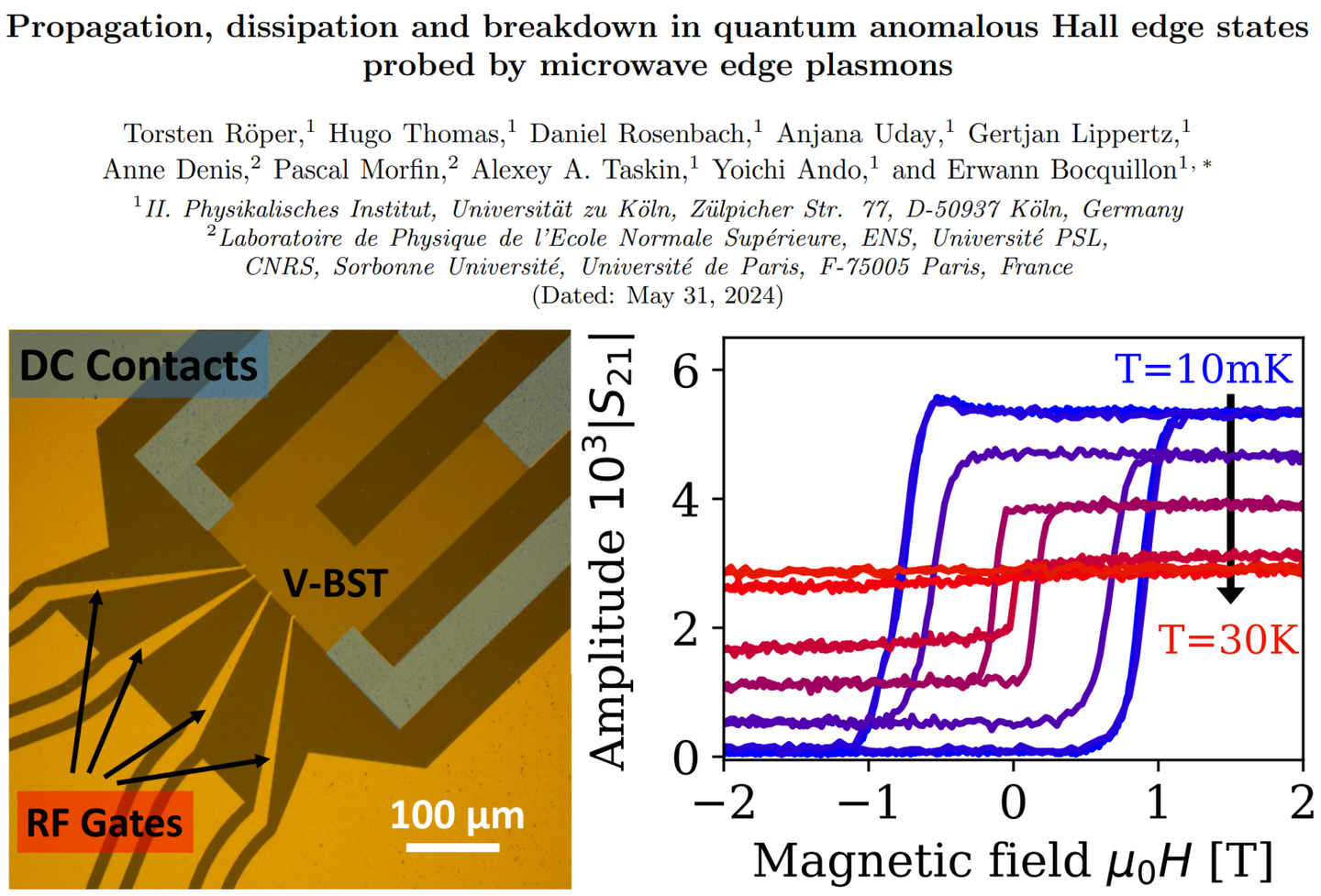
Paper Publication - Propagation, dissipation and breakdown in quantum anomalous Hall edge states probed by microwave edge plasmons


Abstract

The quantum anomalous Hall (QAH) effect, with its single chiral, topologically protected edge state, offers a platform for flying Majorana states as well as non-reciprocal microwave devices. While recent research showed the non-reciprocity of edge plasmons in Cr-doped (BixSb1-x)2Te3, the understanding of their dissipation remains incomplete. Our study explores edge plasmon dissipation in V-doped (BixSb1-x)2Te3 films, analyzing microwave transmission across various conditions. We identify interactions with charge puddles as a primary source of dissipation, providing insights critical for developing improved QAH-based technologies.

DOI: 

https://doi.org/10.1103/PhysRevB.110.L161403


03.02.2025

New PhD student joining the Group - Dominik Hoborka


We got a new member on board. Actually, he already convinced us of his qualities during Masters' thesis project. Dominik Hoborka, who finished his Masters thesis on the development of resistive ZnO gates for the suppression of gate screening on one-dimensional edge channels in quantum anomalous Hall insulators, will continue his research on the investigation of edge plasmon transport. 


09.11.2024

Research stay of Alina Rupp in the group of Masayuki Hashisaka (University of Tokyo)


Nov 9–Dec 19, 2024: Our colleague Alina Rupp visited the Tokyo labs of Prof. Masayuki Hashisaka, collaborating on the group’s transimpedance amplifier based on high-electron-mobility transistors (HEMTs) fabricated in GaAs/AlGaAs. She also took part in the International School and Symposium on Nanodevices and Quantum Technologies (ISNTT 2024) at NTT Atsugi (Dec 2–6), including the NTT Basic Research Laboratories (BRL) School held within the program.


15.09.2024

ML4Q Internee - Doga Solmaz


After an eventfull summerbreak including experiments, student retreats, group outings and conferences, the ML4Q internee Doga Solmaz leaves the workgroup to continue her physics undegraduate studies in the Imperial College, London. Doga has been measuring Josephson tunnel junctions comprised of a tri-layer stack of Nb/AlOx/Nb at 4.6K using the cryogenic probe station. The devices have kindly been provided by Dr. Netty Honingh and Dr. Felix Münning of the I Institute of physics and showed superconducting properties up to 8.6K. Do succeeded in measuring the superconducting transition in these junctions and studied junction parameters like the critical current and the normal state resistance as a function of the total junction area. We wish here all the best in her studies and for her future!
12.09.2024

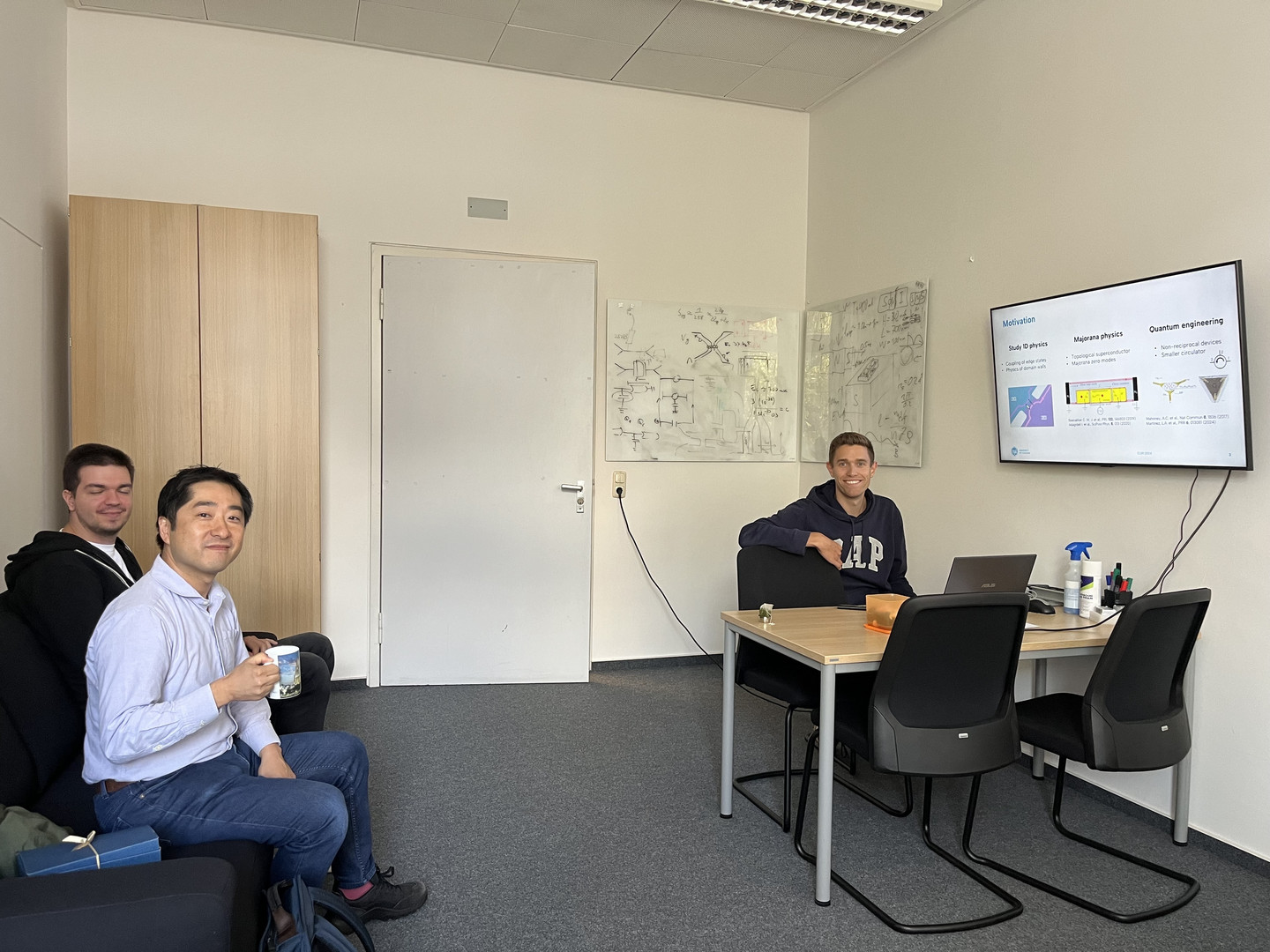
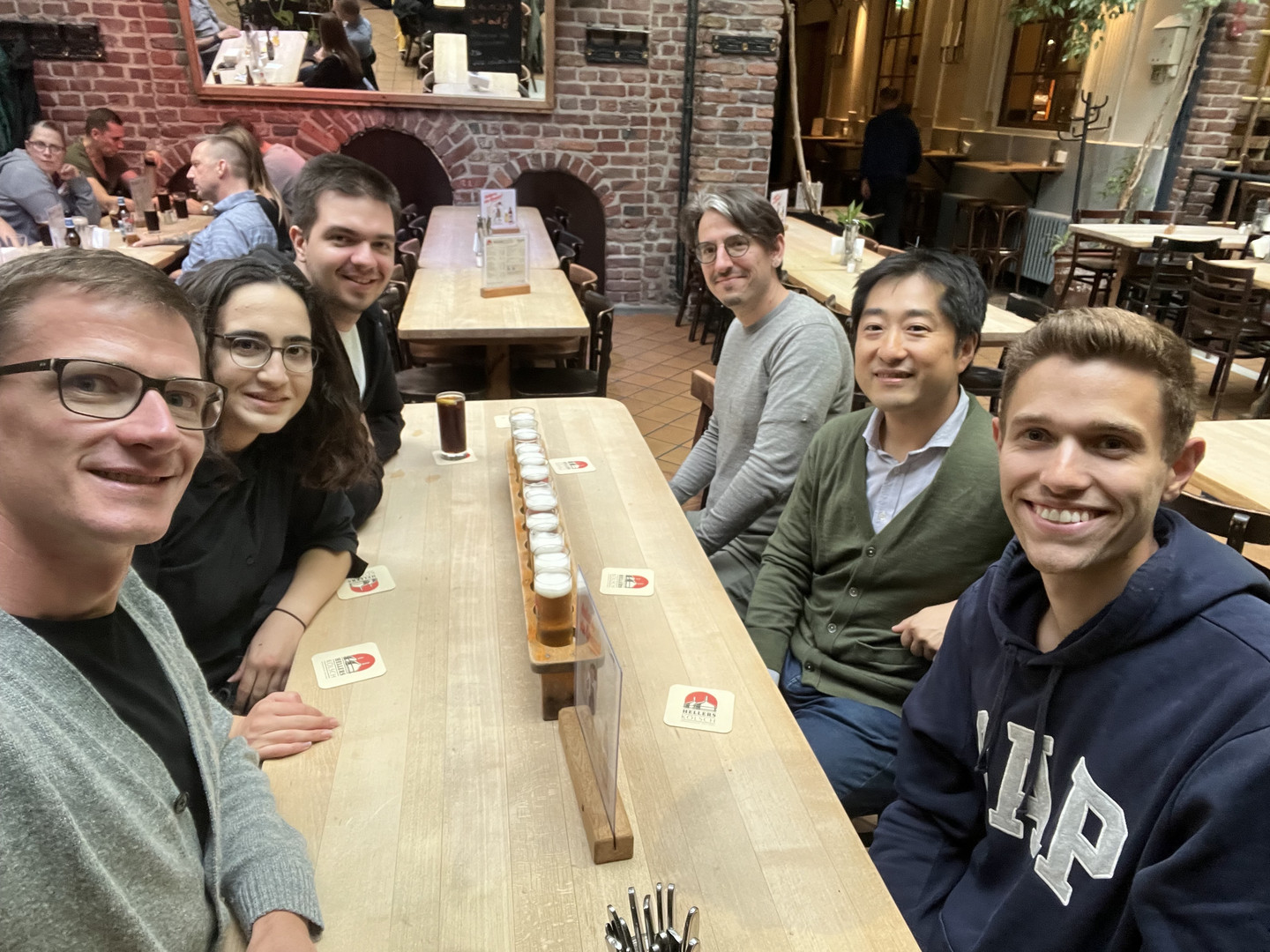
Visit: Masayuki Hashisaka, The Institute of Solid State Physics (ISSP), University of Tokyo


The group invited Masayuki Hashisaka from the Institute of Solid State Physics (ISSP) of the University of Tokyo for a Seminar Talk and discussion for future possibilities for collaborations. The visit included scientific discussion with several members of the seconds institute of physics in order to give a broad overview of research activities. After the seminar talk the group of Prof. Erwann Bocquillon, together with Masayuki, went for a dinner at one of colognes traditional "Brauhaus" to celebrate the get-together. 


12.07.2024

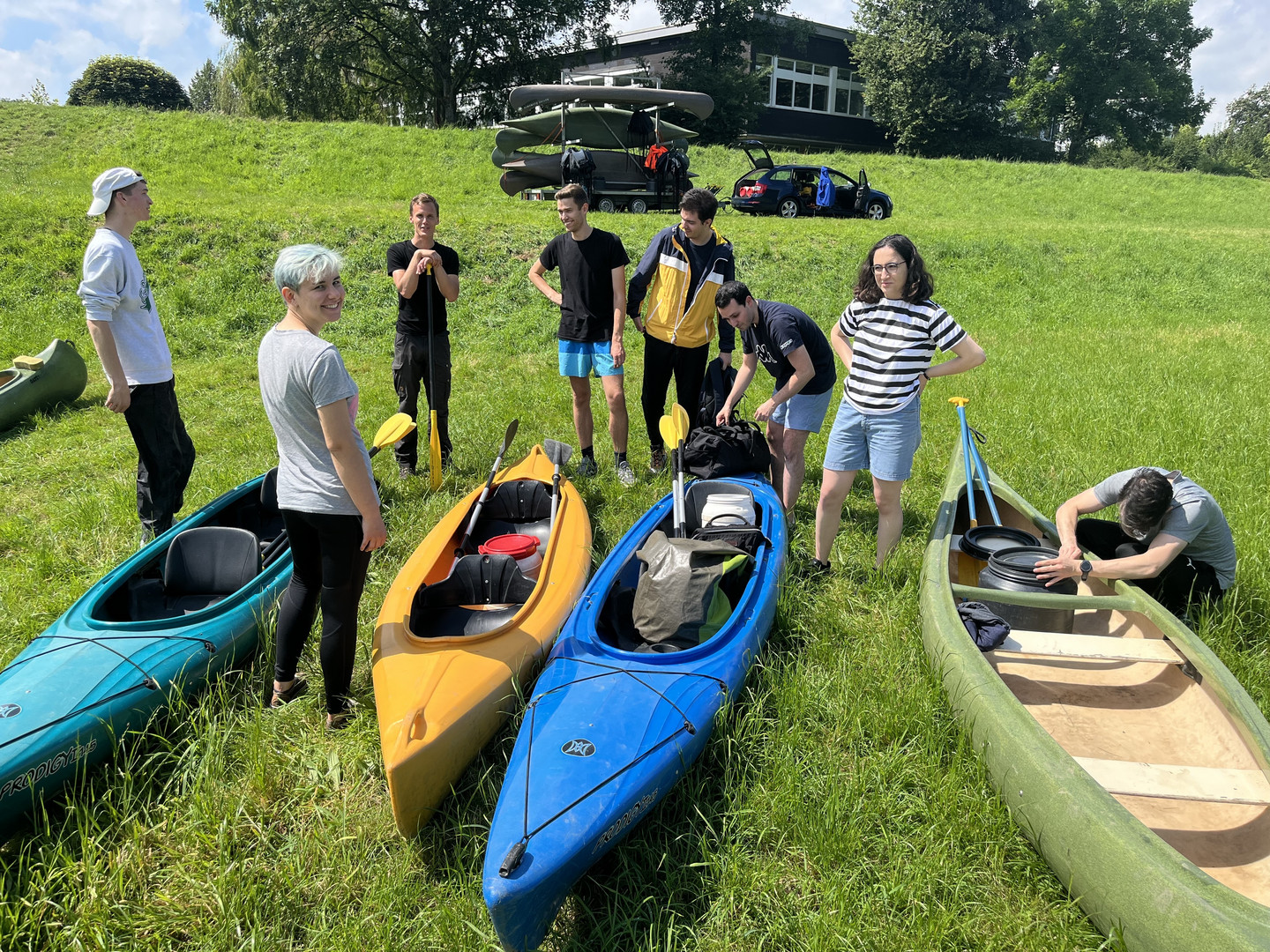
Group Outing Summer '24


Friday July 12th the group has been canooing for team-building activities. About 10km down the "Sieg" from Eitorf to Blankenberg the group members have been enjoying their ride in groups of two. The weather was sunny and invited to stone skipping during a break at camping Happach and a beautiful view on the caste of Blankenberg at the last stretch of the tour. After the exhausting activity, the day finished with a cosy dinner in Wirtshaus Knott in Köln-Porz.

At the moment of the group outing the group consisted of Prof. Dr. Erwann Bocquillon, Dr. Daniel Rosenbach, PhD students Alina Rupp and Torsten Roeper, Master Students Ricardo Gioia Alvarez and Dominik Hoborka, Bachelor Students Benjamin Roth and Paul Ruhrberg, as well as ML4Q Intern Doga Solmaz from the imperial college of London.


06.02.2024

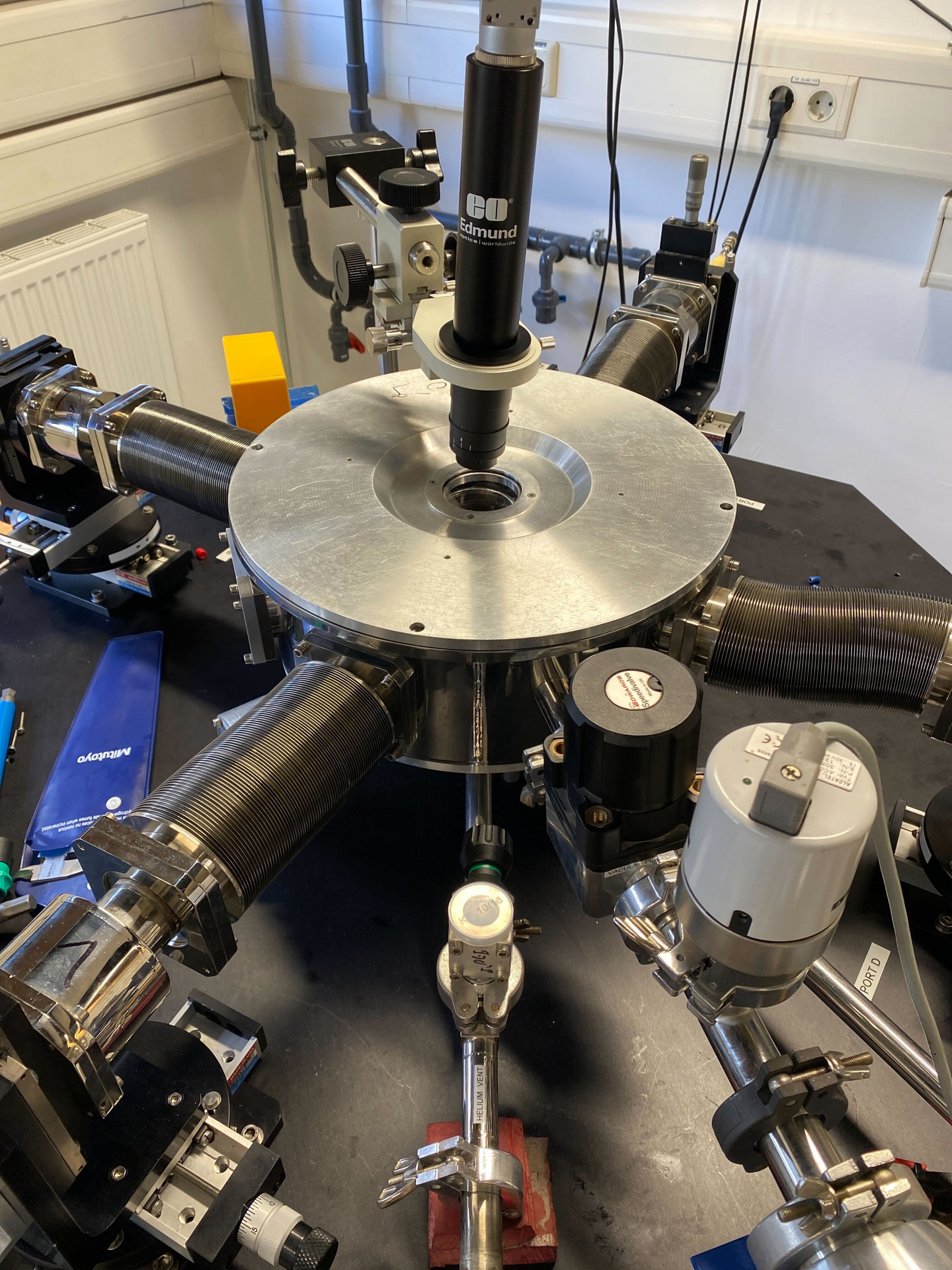
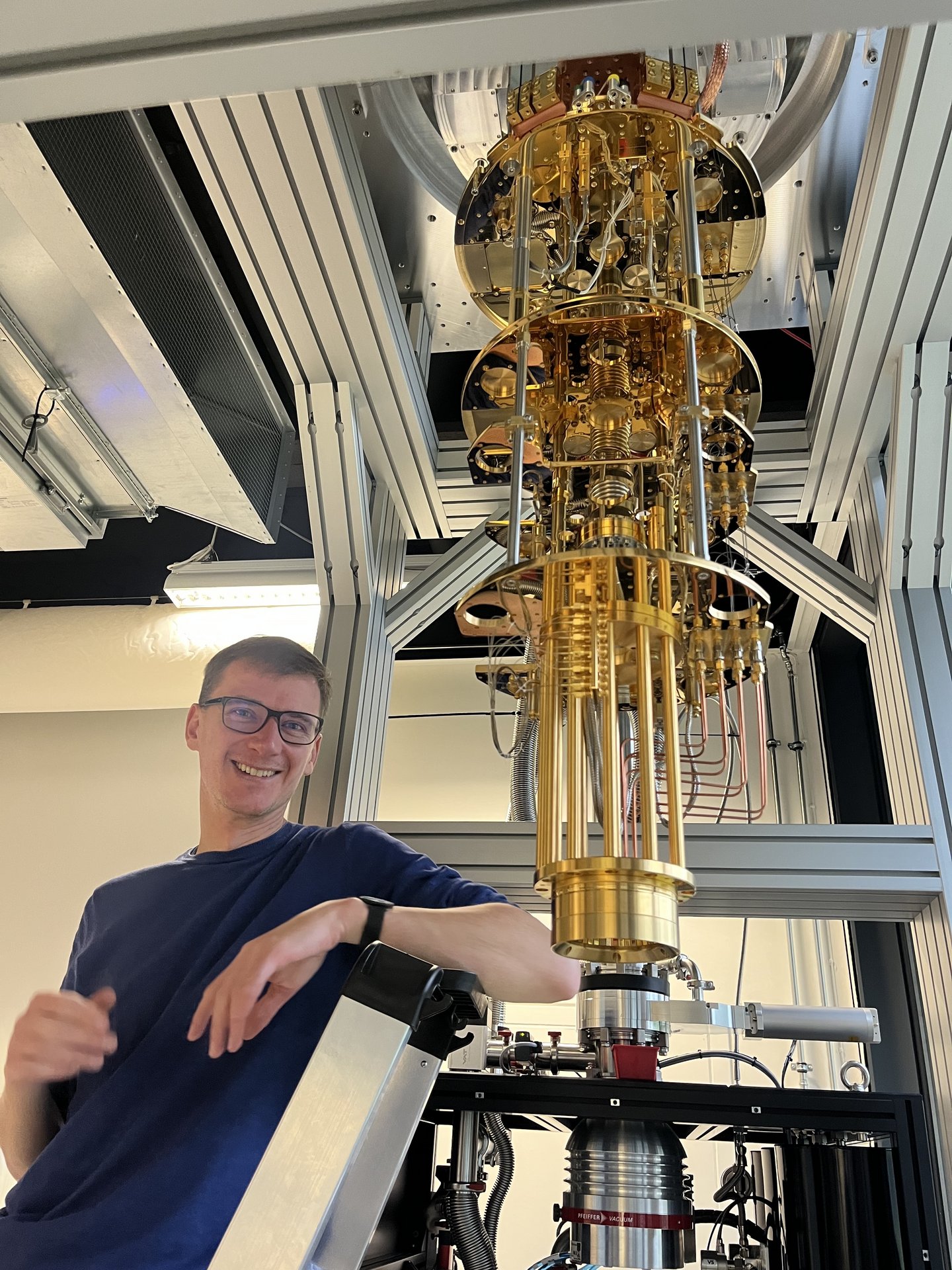
Cryogenic Probe Station for radiofrequency characterization of devices at 4.6K


On february 6th, a cryogenic probe station for the characterization of devices at applied radifrequencies up to 18GHz has been installed. The probe station as well as the cryostate have been designed by Janis, where temperatures of down to 4.6K can be reached, when feeding the flow cryostate with liquid helium. The probe station has been transferred from the École Normale Supérieure (ENS) in Paris, from the workgroup of Gwendal Fève. The probe station is equipped with 4 semi rigid coaxial cables on feedthroughs, each mounted on a three-axis linear stage, an optical access on top and a dc line feedthrough. The temperature at the probes is specified for 15K but additional thermalization brings the effective temperature at the probes below T<8K. 


30.10.2023

Installation of second cryogenic temperature measurement setup


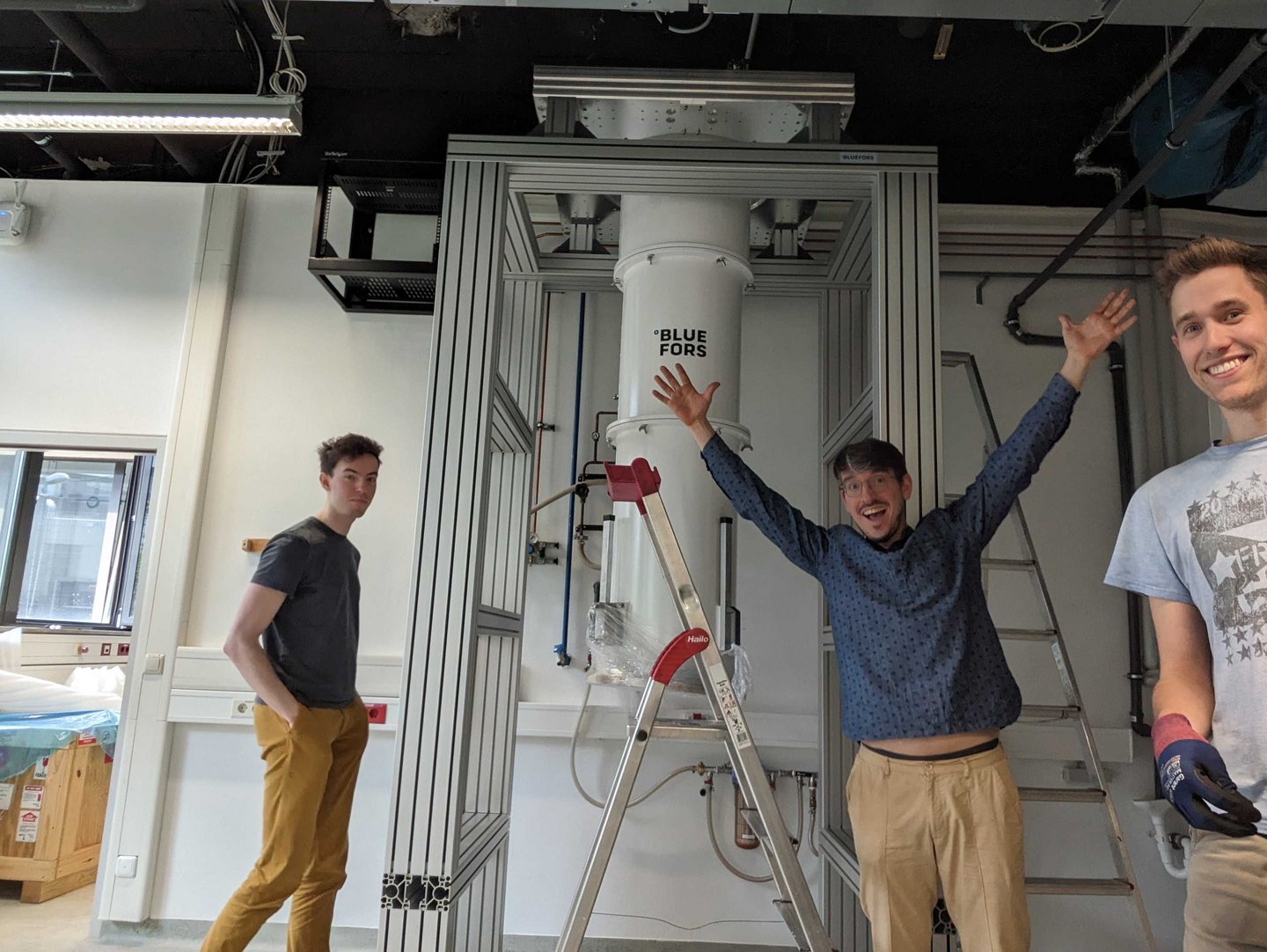
October 23rd through October 31st the workgroups second cryogenic measurement setup has been installed. We again got valuable support from Bluefors' Cryo Engineer Sajed Rabbani, Senior Site Planning Engineer Marija Macic-Järvinen and many more on- and off-site support from Bluefors. On sunday the 29th of October the LD system with 6-1-1 vector magnet reached 8.9mK base temperature for the first (but not the last) time in our laboratory. The system will be dedicated to ultra-sensitive electronic noise measurements and the d.c. study of magnetic domain switching in quantum anomalous Hall devices. 

23.06.2023

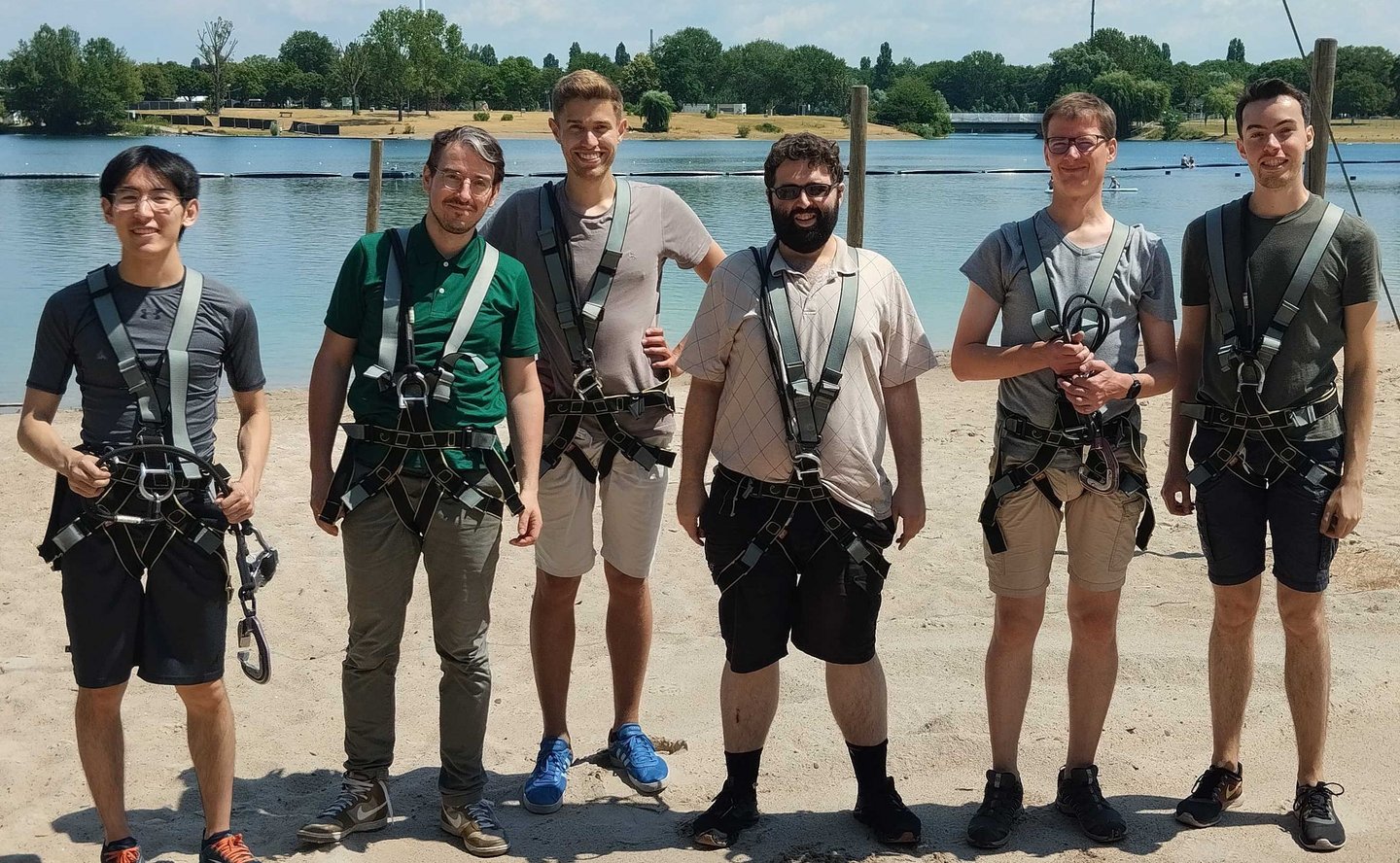
Team Outing - Hochseilgarten Blackfoot Forrest and Blackfoot Beach


Marking one year since the arrival of our first PhD student, Boris Stanchev, the Bocquillon Group went on its second outing. The team tested their teamwork on the high-ropes course at Blackfoot Forest Hochseilgarten, tackling elements up to 12 m above ground. After working up a sweat in record-breaking heat, the group cooled off at nearby Blackfoot Beach, swimming and enjoying cold drinks.
Photo (left to right): Michael Lee (ML4Q intern, Yale University), Daniel Rosenbach (postdoc), Torsten Roeper (PhD student), Boris Stanchev (PhD student), Prof. Erwann Bocquillon, Hugo Thomas (master’s intern, ENS Paris).


29.05.2023

Installation of 7.2mK cryogenic temperature measurement setup


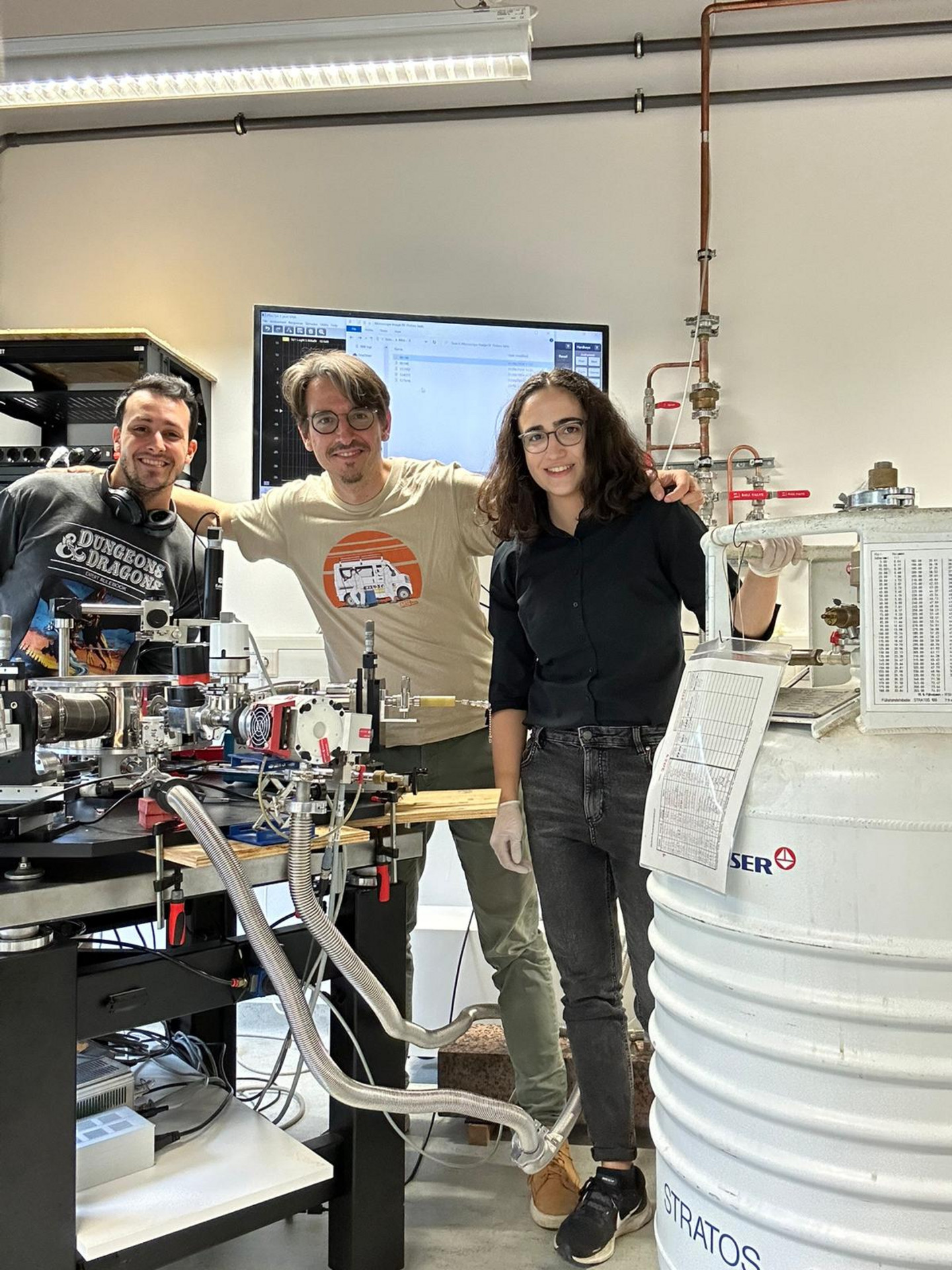
May 15th through May 28th the workgroup’s first cryogenic measurement setup was installed. With support from Bluefors’ Cryo Engineer Sajed Rabbani, Senior Site Planning Engineer Marija Macic-Järvinen, and additional on- and off-site colleagues, the Bluefors LD system reached a base temperature of 7.2 mK.
The system is equipped with 48 DC lines, arranged as two looms of 12 twisted pairs. The DC lines are filtered using Basel Precision Instruments microwave filters and Thermalizers, providing ≥60 dB attenuation of unwanted high-frequency noise above 10 MHz. In addition, four pairs of RF lines are installed for delivering and amplifying radio-frequency signals to study the dynamic transport properties of novel quantum materials.


22.07.2022

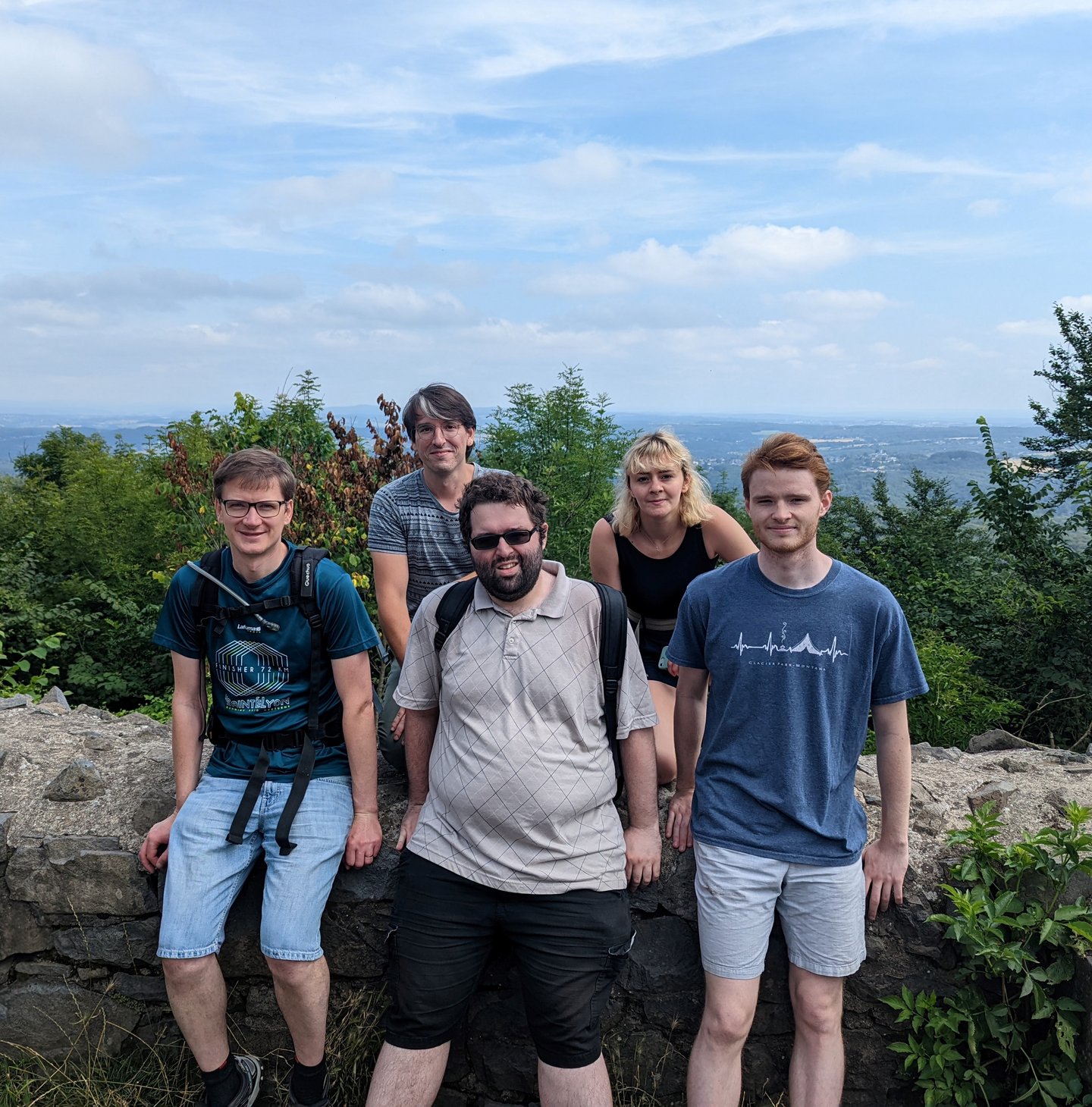
First team outing, Siebengebirge


On the 22nd of July 2022, the work group of Prof. Erwann Bocquillon enjoyed their first team outing. The group activity included a hike to one of the highest points of the Siebengebirge, the old ruins of Löwenburg (455m). After a refreshing picknick the hike continues to Burg Drachenfels (320m). 


01.10.2021

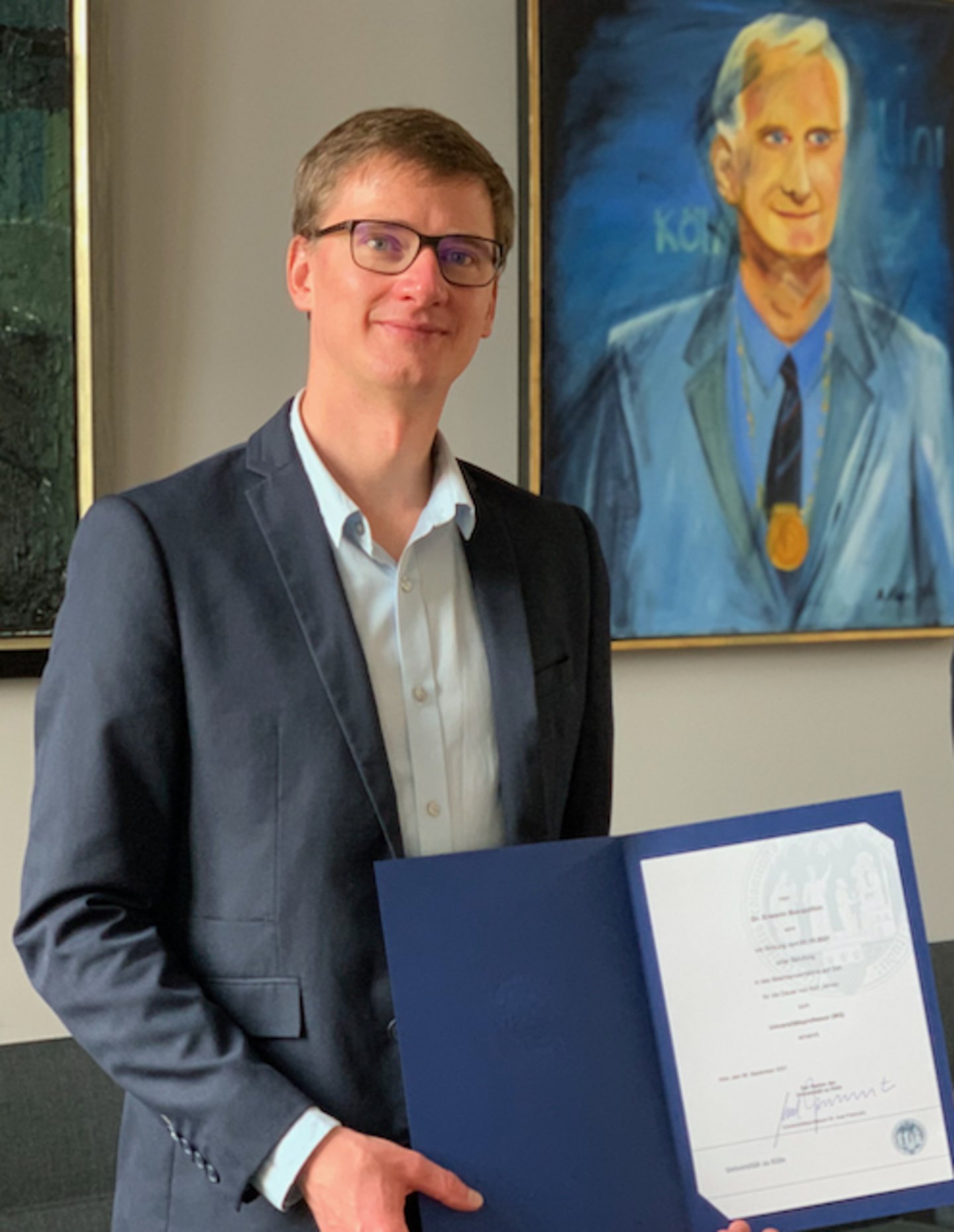
Formation of a new group


Creation of the group, following the appointment of Erwann Bocquillon. The group is from now on looking for new members: post-doc, PhD students or MSc students. If you are interested, please write an e-mail at bocquillonSpamProtectionph2.uni-koeln.de.